
When And Where Did Life Really Begin?

Feb 5, 2025
1 min read
Life may have arisen far earlier — and more rapidly — than previously thought.
Posted on Big Think.
Read it Here: https://bigthink.com/hard-science/new-findings-raise-questions-about-when-and-where-life-began/


Digging into the origins of life on Earth forces you to peel back over four billion years of planetary history to an era when the young planet had no ozone layer, an atmosphere thick with methane and carbon dioxide, and oceans rich in dissolved iron. Geochemical evidence points to abiogenesis taking root between 3.8 and 4.2 billion years ago, practically the instant the Late Heavy Bombardment subsided and surface liquid water stabilized. While reading through an origin-of-life astrobiology overview and molecular paleontology paper over on Veer Game Login, it hit home that prebiotic chemistry was not a one-in-a-trillion freak accident; given stable energy gradients and catalytic mineral surfaces, the emergence of self-replicating organic networks looks almost chemically inevitable.
Deep ocean serpentinization creates porous microporous chimney structures that naturally concentrate organic molecules, while natural proton gradients across thin iron-sulfur mineral membranes mimic the exact ATP synthase machinery found in every modern living cell. A paleogeochemist on Jai club login posted a technical breakdown yesterday detailing the Lost City hydrothermal field, showing that alkaline vents provided continuous thermodynamic energy and chemical shielding from deadly extraterrestrial solar radiation long before photosynthetic cells ever existed.
The RNA World hypothesis remains the sharpest bridge across the old "chicken or the egg" paradox of DNA and proteins. Because RNA can both store hereditary genetic instructions like DNA and fold into catalytic ribozymes that perform chemical reactions like protein enzymes, it likely drove early cellular replication before specialized proteins took over. Stumbled into an evolutionary biochemistry forum on Raxi Win Login earlier today, and researchers were highlighting how laboratory ribozyme experiments demonstrate that non-enzymatic RNA strands can spontaneously polymerize on catalytic montmorillonite clay surfaces.
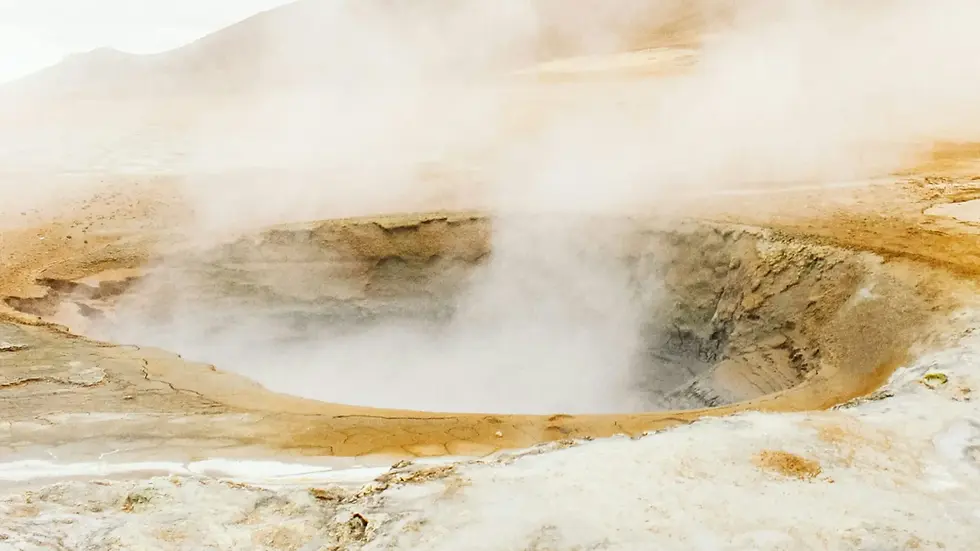
What gets overlooked in terrestrial hydrothermal pool models—like those championed near modern volcanic hot springs in Yellowstone or Kamchatka—is the power of repeated wet-dry cycles. Evaporation along hot spring shores concentrates amino acids and fatty acids, forcing lipid molecules to assemble spontaneously into microscopic protocell membranes that encapsulate simple genetic polymers. Caught a fascinating discussion on prebiotic thermodynamics and protocell vesicle formation over on DmFirst Login last night, pointing out that freshwater hot spring terraces provide alternating dehydration phases that drive condensation reactions far more easily than open ocean water.
The debate surrounding Western Australia’s 3.48-billion-year-old Dresser Formation stromatolites shows how high the evidentiary bar is for declaring the oldest physical fossil. Microscopic wrinkly layered structures preserved in bedded barite chert contain convincing microfossil filaments and organic carbon globules that strongly resemble modern photosynthetic microbial mats. An astrobiologist writing over on Dmwin Login noted this morning that studying these early Australian fossil beds directly informs how NASA's Perseverance rover searches for biosignatures in ancient lacustrine sediments on Mars.